
Understanding the psychological triggers behind gambling behavior
The Allure of Risk and Reward
Gambling is inherently linked to the excitement of risk and the potential for substantial rewards. This combination captivates the human psyche, drawing individuals into a world where the allure of winning big can overshadow the potential for loss. The thrill experienced during gambling activates the brain’s reward system, releasing dopamine and creating a feeling of euphoria. This response reinforces the behavior, encouraging individuals to engage in gambling activities repeatedly in hopes of replicating that high. If you’re curious about the experience, you can try the Plinko Game at https://plinkogame.net.in/, which offers a fun way to start.
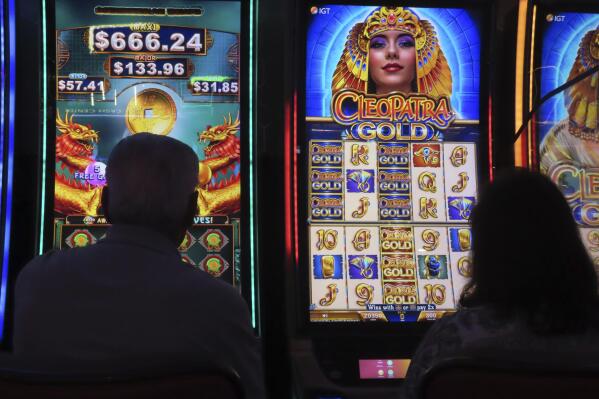
Moreover, this desire for instant gratification plays a significant role in gambling behavior. The possibility of a sudden windfall can lead individuals to overlook the long-term consequences of their actions, leading them to gamble more than they can afford. This cognitive bias, often referred to as “loss aversion,” makes individuals more sensitive to losses than gains, creating a cycle where the need to recover losses drives further gambling.
The Role of Cognitive Biases
Cognitive biases significantly shape how individuals perceive gambling outcomes. One such bias is the illusion of control, where gamblers believe they can influence the outcome of games based on their skills or strategies, despite the fact that many gambling activities are purely chance-based. This belief can embolden gamblers to take risks they would otherwise avoid, leading to increased engagement in gambling activities. The plinko game also illustrates this, as players may feel they can strategize their way to success.
Additionally, the gambler’s fallacy is another cognitive bias that impacts behavior. Gamblers often believe that past results can influence future outcomes, leading them to make misguided betting decisions. This fallacy can perpetuate gambling behavior, as individuals remain hopeful for a “lucky streak” despite statistical evidence suggesting otherwise. Understanding these biases is crucial for recognizing how they can distort perception and decision-making in gambling contexts.
The Impact of Social Influences
Social dynamics play a critical role in shaping gambling behavior. Individuals are often influenced by friends, family, and societal norms, which can create a permissive environment for gambling. This social reinforcement can normalize gambling activities and encourage individuals to participate, particularly in communal settings like casinos or online platforms.
Moreover, the advent of online gambling has transformed the landscape by providing easy access to betting opportunities. Social media platforms often glamorize gambling experiences, showcasing big wins and exhilarating moments. This can entice individuals to engage in gambling, often without fully considering the risks involved. The combination of social influences and the accessibility of gambling platforms heightens the potential for problematic behavior.
The Psychological Effects of Gambling
Gambling can have profound psychological effects on individuals, ranging from thrill-seeking behavior to deeper issues such as addiction. The euphoric highs associated with wins can lead to compulsive gambling, as individuals chase the next big win to replicate those feelings. Over time, this can lead to significant emotional and financial distress.
Additionally, problem gamblers often experience anxiety, depression, and feelings of isolation. The stigma surrounding gambling addiction can make it difficult for individuals to seek help, perpetuating a cycle of shame and secrecy. Understanding the psychological impacts of gambling is essential for developing effective interventions and support systems for those affected by gambling-related issues.
Explore Gambling in a Controlled Environment
For those interested in exploring gambling behaviors, engaging with platforms designed for entertainment, such as the immersive Plinko Game app, can provide valuable insights. This game allows users to experience the thrill of gambling in a controlled environment, focusing on strategy while minimizing risks associated with real-money play. It’s a great way for beginners to learn more about gambling without the pressures of high stakes.
By participating in such games, individuals can better understand their psychological triggers and the factors that drive their gambling behavior. Moreover, the user-friendly interface and various gameplay modes offer an engaging way to explore these dynamics, making it an excellent choice for both beginners and seasoned players looking to deepen their understanding of gambling psychology.